Mary Interviews Curtis Dowds, Our Founder’s Son


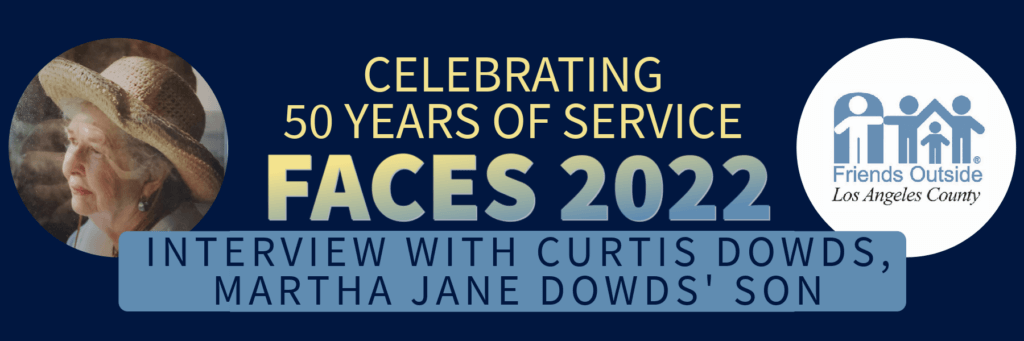
Mary: Tell us a little about yourself and your mother.

Curtis: I am my mother’s oldest child.  My mom was born in 1918 in Arkansas, in the Mississippi Delta.  At the age of eight, driven mostly by drought-induced crop failures, mom and her parents moved to Alhambra, CA, just as the Depression hit. My mom grew up very poor but did so in a family deeply committed to education.   With incredible focus, the family put together the resources for a full college education for my mom and her brother. 

Mom emerged from college a progressive person who always saw the potential and good in people.   In 1954, a year before the vaccine, she contracted polio, ironically like her political mentor, FDR.   She met my father at a USC/UCLA mixer.  My dad was a lawyer who became the chief counsel in the L.A. County Counselor’s Office and eventually a prominent Superior Court judge, opening many doors my mom walked through for Friends Outside.


Mary: What do you remember about your mother founding Friends Outside in Los Angeles County?  

Curtis: The daughter of Federal William P. Gray, who was on the bench in Los Angeles, was a volunteer for Friends Outside up north and arranged for the initial meeting of “prominent women” in Los Angeles with the Friends Outside Founder, Rosemary Goodenough.  The story is that Mrs. Goodenough would talk until there was one person awake.  She would declare that woman “Mrs. Friends Outside” and leave.  Apparently my mom was the last one standing and started the LA chapter in our San Marino home.  Mom would talk to anyone about the cause and call anyone she needed to move things along, not afraid to wield the implicit power of being a judge’s wife.          


Mary: It was the early 1970’s– three political leaders killed the decade before, Vietnam War, peace and love generation.  Do you think the political and social environment of the time had anything to do with it?

Curtis: Yes.  She did not aspire to be in the country club set and the time was right for social activism.  Mom never “outgrew” her childhood experiences.  She was a person of immense empathy and wanted an identity for herself apart from being a “judge’s wife.”   She was determined – she beat poverty and polio.  She had good instincts, insight, and was perceptive. She created Friends Outside LA with “good bones” and Friends Outside gave her purpose.  
Joyce Ride

Paying Tribute to Former Board President Joyce Ride

Women’s History Month – Paying Tribute to Former Board President Joyce Ride

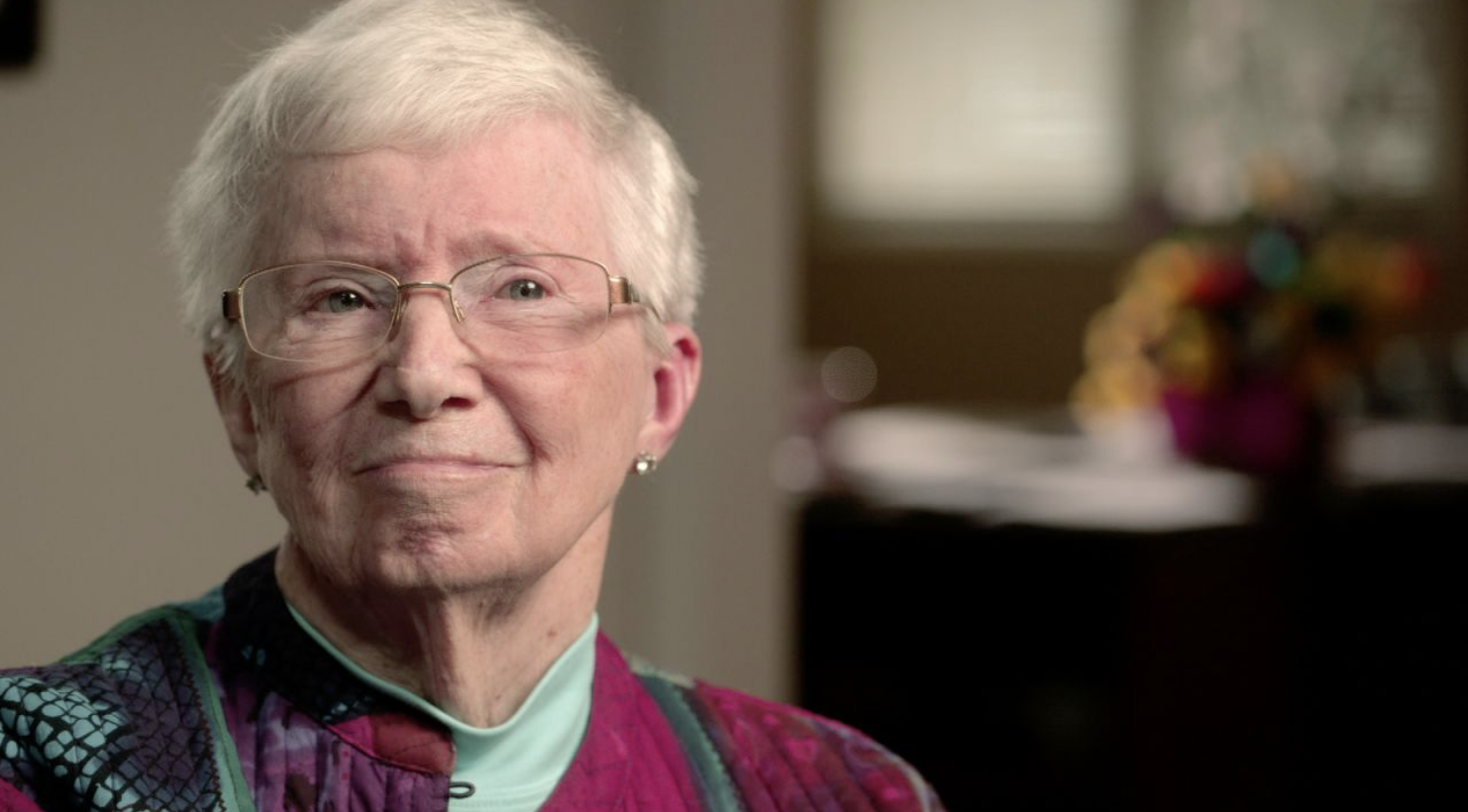
Photographed: Joyce Ride

Image sourced from CNN

Joyce Ride was an Encino housewife when she became a board member for Friends Outside in Los Angeles County (FOLA), c1984. A self-described person who “can’t stand injustice,” Joyce visited the county woman’s jail for many years, later driving to the California Institute for Women in Fontana every weekend to visit females in state prison.  Mrs. Ride (Joyce) spent a significant amount of her own time and money to gain the release of an imprisoned woman, Gloria Killian, because she believed in her claims of innocence. Upon her release, Gloria was invited to move into Joyce’s home.   

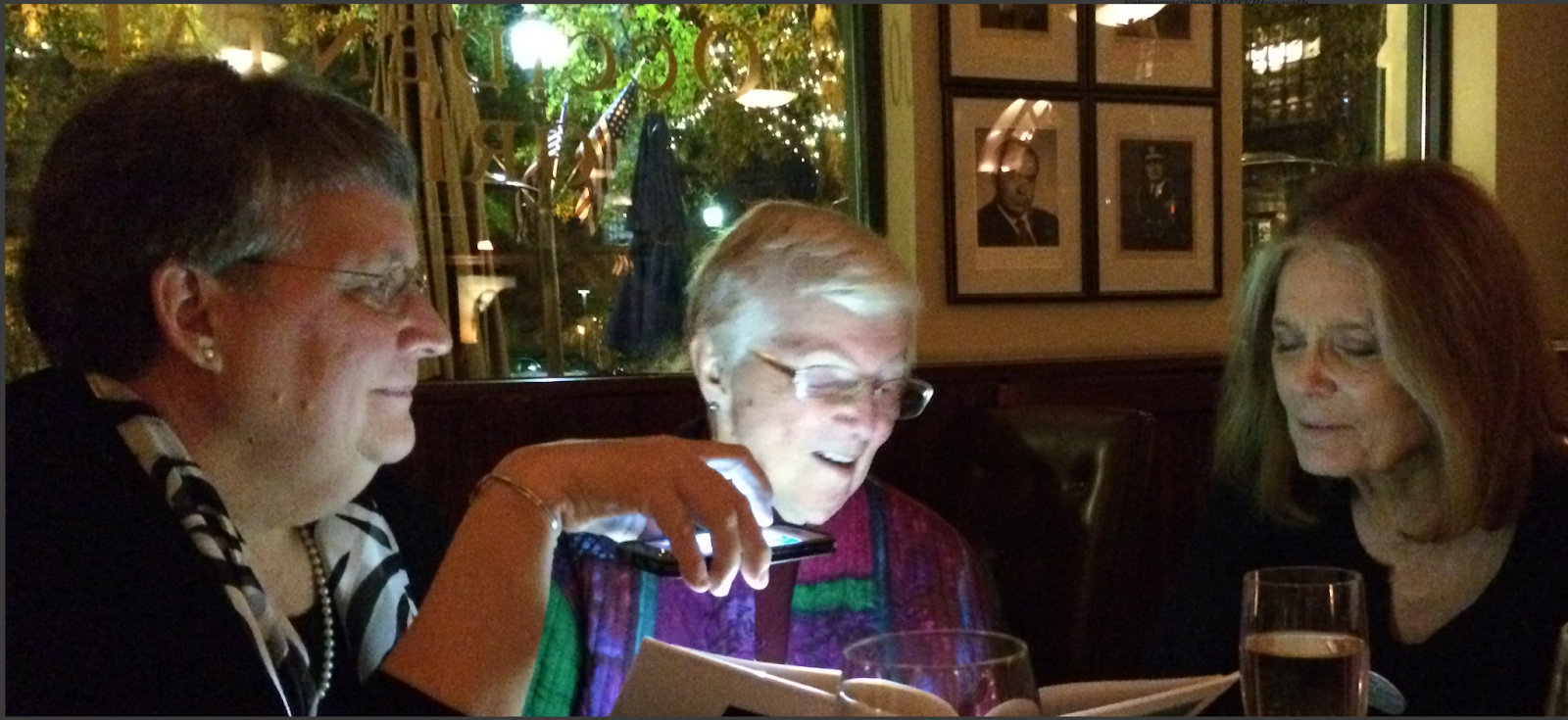
While daughter Sally was exploring outer space and daughter Karen (“Bear”) was becoming a Presbyterian minister, Joyce became the President of our Board of Directors. A fighter for women’s equality, Joyce hired women for whatever work that needed to be done and sported a personal gift, a bracelet, from Gloria Steinem on her wrist. In 1988, Joyce hired me to work for FOLA.  A “why use 10 words when one will do” sort of person, I gradually learned a few things about Joyce, such as that she was a gas station attendant while a student at UCLA. Joyce was a popular speaker. She spoke deliberately with carefully chosen words, commanding an audience’s attention when she spoke about the injustices in the criminal justice system, such as imprisoned women being shackled during childbirth. As for me, hired without many credentials to do my job, Joyce was always there for me, quietly guiding me along with unquestioned support.  

Today, Joyce is a nonagenarian and Bear is a retired minister. Sally, who died in 2012, was honored with a postage stamp by the U.S. Postal Service in 2018. And, this month, Sally and Maya Angelou will be the first two of 20 women who will be honored over the next four years by the U.S. Mint with quarters that will be released in their honor.  

Photographed: Mary E. Hunt, Joyce Ride, and Gloria Steinem

Image sourced from www.waterwomenalliance.org

The more I got to know Joyce, the more I began to understand how she grew up to do exceptional things. Joyce refused to fall into line with stereotypes and fought without compromise for the underdog. And, four decades after I met her, it has become abundantly clear how she and her equally impressive husband, Dale, would raise two girls who would, themselves, become accomplished leaders in non-traditional fields.

Thanks for believing in me, too, Joyce.

Mary Weaver

New Publication – Improving Outcomes for Individuals with Sex Offenses

Improving Outcomes for Individuals with Sex Offenses

Friends Outside Los Angeles County is pleased to announce the release of its publication, “Improving Outcomes for Individuals with Sex Offenses.”  Written in partnership with two researchers, Luis Barrera Castanon, Ph.D., and Marco Murillo, Ph.D., the publication is our final report to the project funder, the California Workforce Development Board.   We undertook the project because of the dearth of information about persons with sex offenses (“registrants”), the myths surrounding them, the stigma against them, and the facts about them.  (For example, did you know that this sub-group has one of the lowest recidivism rates amongst persons with criminal records?).  “ Improving Outcomes for Individuals with Sex Offenses” summarizes our two-year project including the history of sex offenses, research methodologies and findings, input from registrants themselves, and a summary of our very successful pilot project through which 67% of the registrants we served obtained employment.


Toolkit:  Improving Outcomes for Individuals with Sex Offenses

The Toolkit begins with a briefing about the history of sex offenses, background information about registrants, and the stigma against them.  Part #1 was written for workforce professionals and other services providers and includes exercises for individuals and groups to think through any concerns they may have about serving registrants, group activities to address those concerns, and tips for serving them.  Part #2 was written for registrants themselves and includes tips for addressing some of their common challenges and a Personal Self-Assessment Tool with which they can identify their goals, challenges, and support systems and customize a plan to help them reach their goals and overcome their challenges.